By Cameron Conant, Operation Noah’s Communications Officer
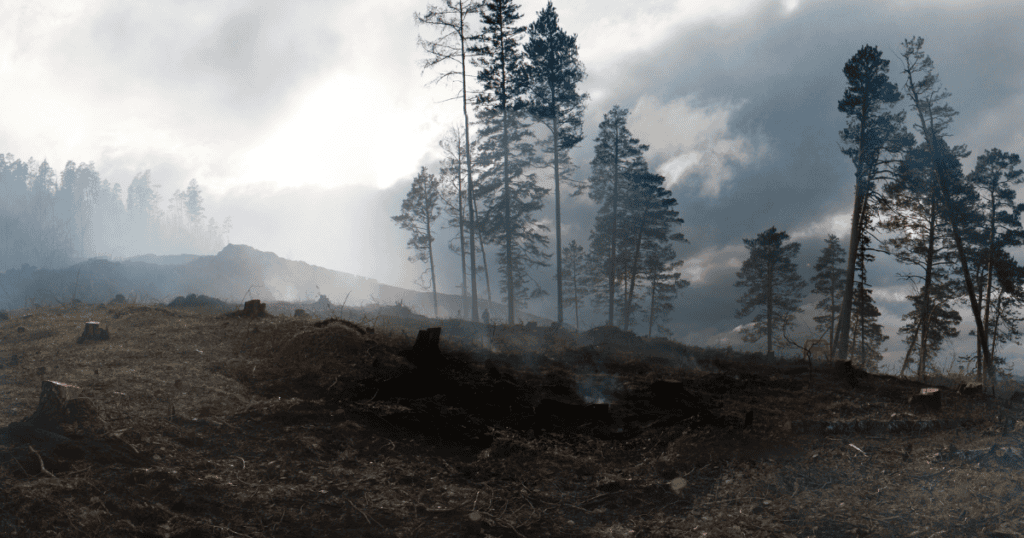
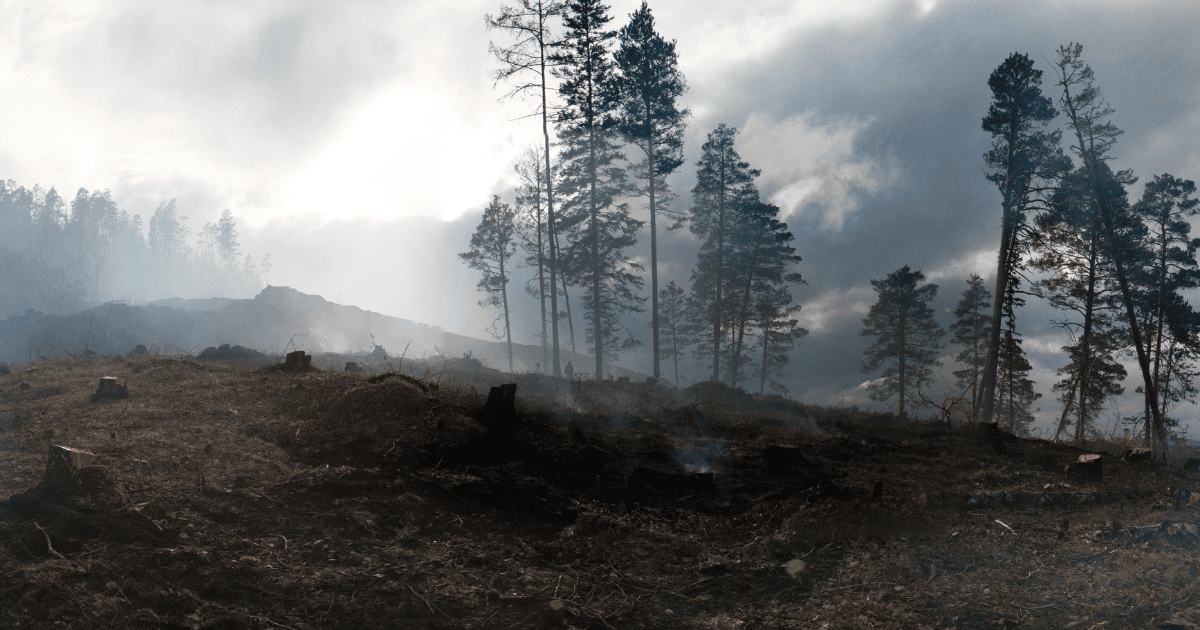
With wildfires burning around the UK and Europe, Prime Minister Andy Burnham announced earlier this month he would embark on a cost of living tour. According to a spokesperson, the tour was about ‘getting out of Westminster and meeting people where they are’.
When the tour was announced, Burnham had yet to say anything publicly about the unrelenting heatwaves, wildfires or lack of rain. Though he has since acknowledged that the UK’s wildfires are indicative of a changing climate – and though Burnham has temporarily banned disposable barbecues, as well as offered to increase funding to fire services and deploy military support – his slow, tentative response has felt woefully inadequate.
For many of us, an overheating world isn’t an afterthought as much as it is an ever-present reality.
My church in East London, St Mary’s Walthamstow, acted as a distribution point and meeting place when scores of people were evacuated from their homes on 12th July. That evening over 100 firefighters battled a blaze along a nearby rail line – a fire which broke out in extremely dry conditions and covered our area with smoke; within minutes, two families lost all their possessions, including their homes. Others had sheds and back gardens burned in the blaze.
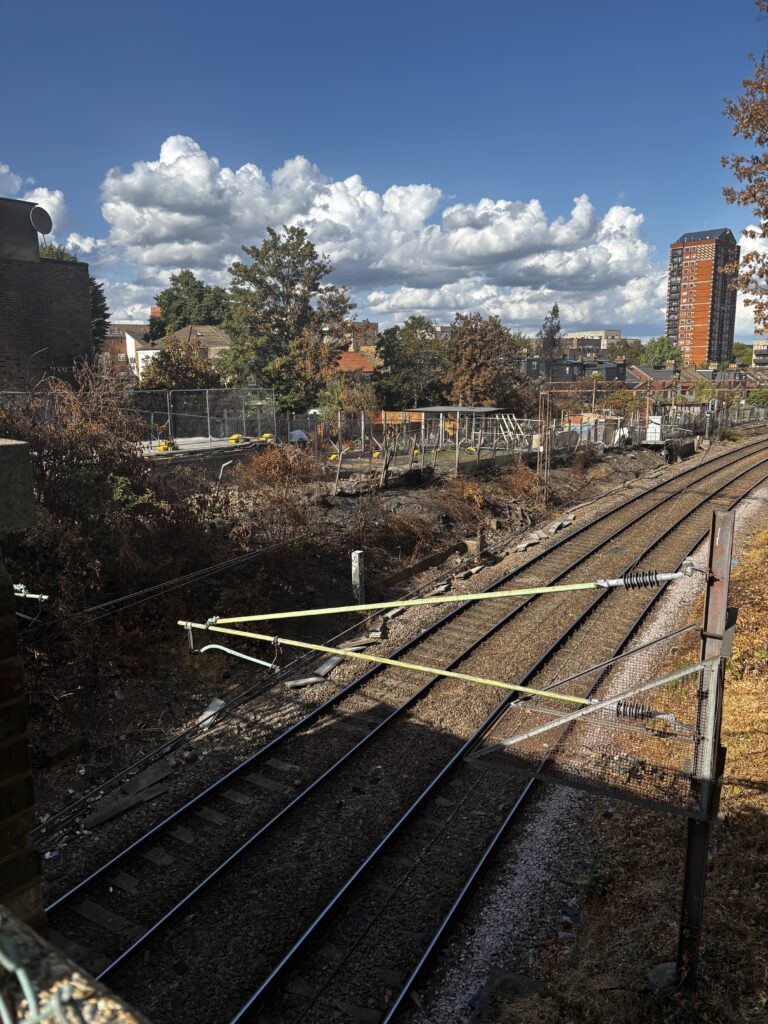
Walthamstow is not alone. According to the Met Office, July 2026 was the driest month ever recorded in England and Wales, and firefighters have already responded to 966 wildfires across England and Wales this year, including to 185 wildfires in the first 10 days of August.
Yet in a summer where potentially thousands of people have had to be evacuated due to wildfires – and thousands of children have had to miss school due to extreme heat – Burnham may still approve the planet-heating Rosebank oil field.
The causes and impacts of climate change are easy to understand, yet many of our politicians seem flummoxed by it. This tends to make them susceptible to the well-funded talking points and documented lies of the fossil fuel industry and its flawed moral and economic logic which prioritises delay and ‘pragmatism’ over protecting the public from immediate and future harm.
The fossil fuel industry’s logic is also convenient in that it has the benefit of keeping their endangered, extreme, and highly polluting industry not only alive, but also fiscally healthy.
Yet the reality is this: burning oil, gas, and coal is the driving cause of an overheating planet, the impacts of which are ultimately catastrophic, leading to more extreme weather, more extreme heat, increased migration, food insecurity and growing competition for water and resources.
The reality is also that the International Energy Agency along with the world’s top climate scientists say the vast majority of fossil fuel reserves must stay in the ground if we want to avoid the most severe impacts of global heating. This means we simply can’t afford to open new fossil fuel developments like Rosebank if we hope to limit global heating to 1.5C – a limit we may have already breached.
The only way we can stop global heating from becoming totally unmanageable is to stop burning oil, gas and coal full stop – which, though that won’t happen overnight, does mean stopping all new fossil fuel developments alongside electrifying transport, heating and industry. The need to abandon fossil fuels has even led to the Fossil Fuel Treaty Initiative, a movement in which countries, regional authorities and cities pledge to keep new fossil fuels in the ground and encourage others to do the same.
Fortunately, we now have the technology to decarbonise much of the global economy, and according to researchers at Oxford University, eliminating fossil fuels from our energy system will save the world at least $12 trillion. Ditching fossil fuels will also make the world more energy secure, as the war in Iran has shown.
What if countries could rely on their own clean energy rather than having to depend on foreign dictators, cartels or access to the Strait of Hormuz?
They actually can. And not just at some point in the future, but due to the growth, technological advances and affordability of battery storage and renewables, we can step into a new energy system now and begin to reject highly volatile and expensive commodities like oil and gas.
And yet Burnham and many politicians seem to live in a world where the most urgent issue we face – the climate crisis – is either completely siloed or at odds with other important things we need to do.
For example, does Burnham actually believe that ‘cost of living’ has nothing to do with the climate crisis, even though harvests are being ruined by fossil-fuelled extreme weather, driving up food prices? Or take this year’s scorching summer in Europe, now estimated to have cost the EU economy €180 billion: will this have no impact on Europeans’ cost of living – or on ours?
It’s clear that new North Sea oil and gas won’t bring down our energy bills, won’t revive a dying North Sea fossil fuel industry, and won’t make the UK more energy secure as most new oil and gas will be exported for others’ profit. And whatever tax revenue might be generated from new oil and gas, the negative cost to our economy, our health and our well-being are incalculable.
I would like to invite Andy Burnham to meet with me and my church community in Walthamstow and listen to our concerns. And here’s what I would like to ask the Prime Minister:
Will you stand with the fossil fuel industry – or will you stand with the people of this country and reject Rosebank?
This is also a question each of us should ask our MPs.
Because the cost of living in a fossil-fuelled world is extortionate – and more oil and gas will make it more so. The only pragmatic option is to stop Rosebank and all new fossil fuel developments and rapidly transition to clean, reliable, secure energy that won’t cost the earth.